


100% Made in Italy
Produced in Villa San Giovanni in Tuscia
Cold Pressing
Extraction below 27°C
Fast Shipping
Delivery within 24-48 hours in Italy


Extra Virgin Olive Oil Canino
In stock
Couldn't load pickup availability
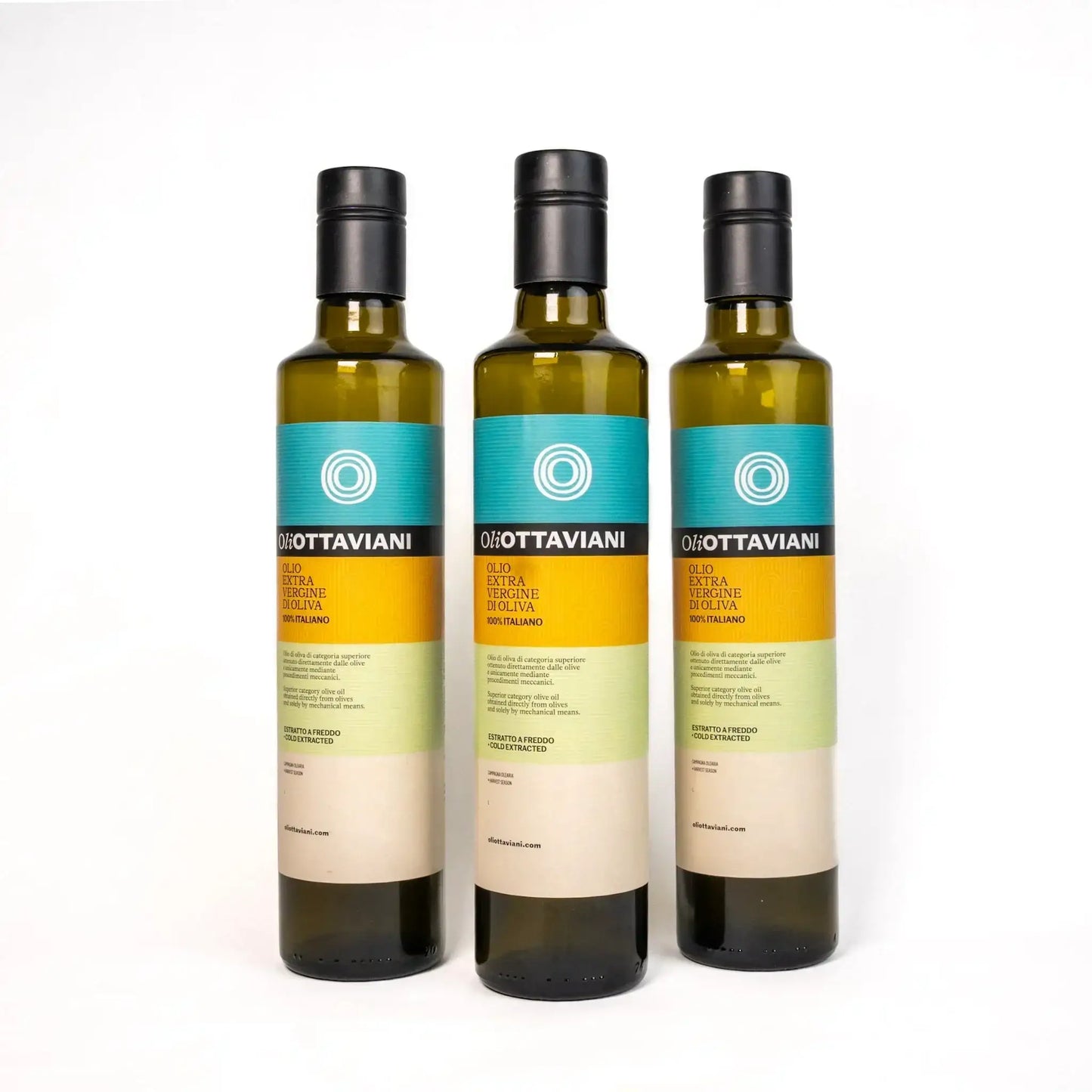
Caninese extra virgin olive oil is the most authentic expression of Tuscia, the fruit of a family tradition that has cultivated and pressed olives for generations in the heart of Upper Lazio. Produced exclusively from Canino olives, hand-picked and cold-pressed within hours, this EVOO preserves all its aromas, fragrances, and precious nutrients.
With its intense golden-green color and vibrant aroma, our "Caninese" extra virgin olive oil is distinguished by notes of freshly cut grass, wild artichoke, and cardoon, with delicate nuances of almond and ripe tomato. Its balanced flavor, with a pleasantly bitter and spicy aftertaste, makes it perfect for enhancing simple and refined dishes, from bruschetta to grilled meats, from legumes to seasonal vegetables.
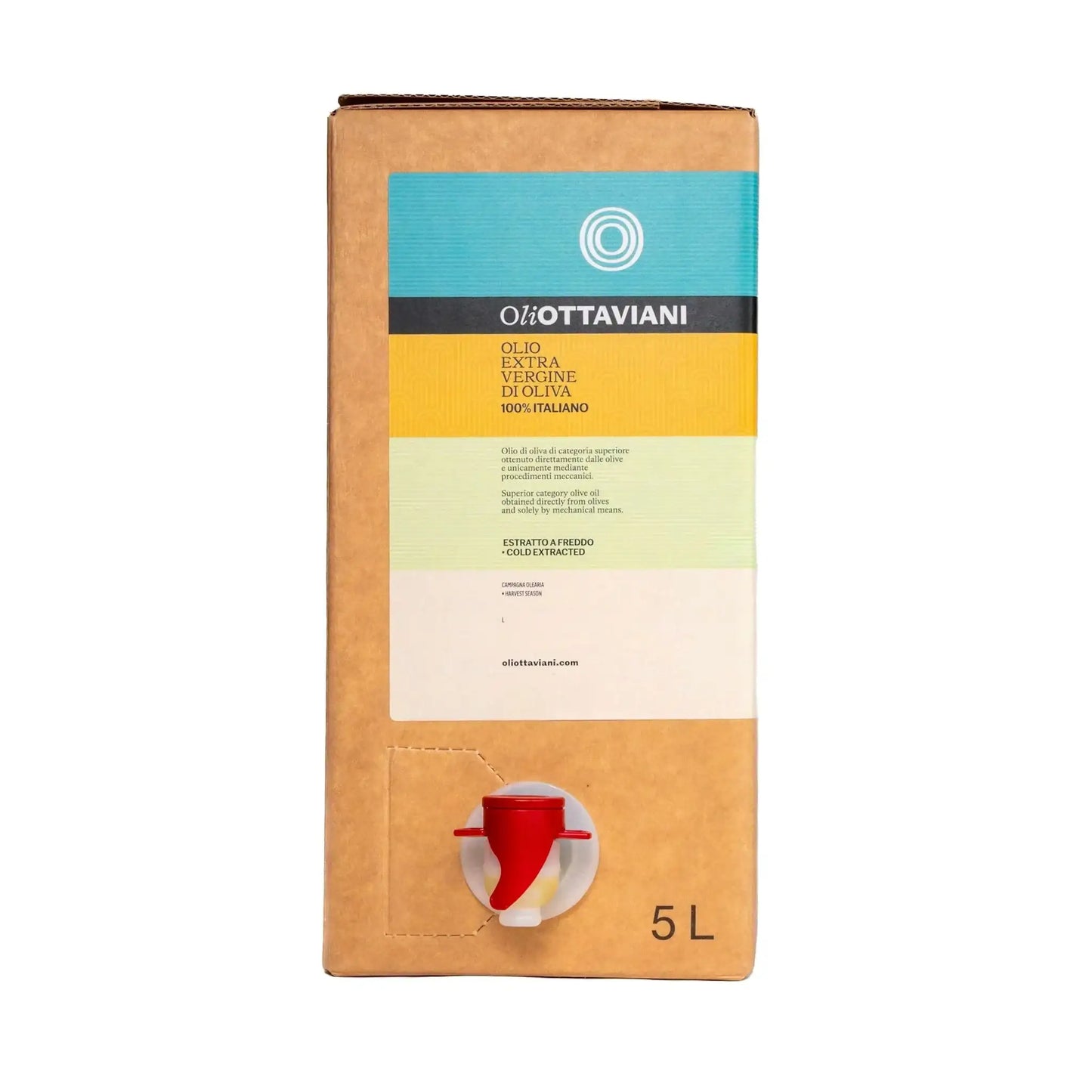
Each bottle is born in our family mill, where we monitor every stage of production to ensure an authentic, pure, and high-quality Extra Virgin Olive Oil. Thanks to our innovative packaging, the oil maintains its freshness for many months.
Available only in limited quantities, our Caninese EVO oil is a taste experience that speaks of Tuscia in every drop. Pre-order now and discover oil as it once was, pure and authentic.





Frequently Asked Questions
All about our oil
How to store extra virgin olive oil?
Extra virgin olive oil should be stored in a cool, dark place, away from heat and direct light. The ideal temperature is between 14°C and 18°C. Once opened, it is best to consume within 3-4 months to fully enjoy its organoleptic properties.
What is the difference between filtered and unfiltered?
Filtered oil has a clear and transparent appearance, a longer shelf life, and a delicate flavor. Unfiltered oil (novello) retains the pulp particles, has a more intense color and a stronger flavor, but should be consumed within six months of pressing.
When does the olive harvest take place?
Our olives are harvested between October and November, when the fruit reaches ideal ripeness. We pick by hand or with mechanical aids to preserve the integrity of the olives, which are pressed within 24 hours of harvest.
Can extra virgin olive oil be used for cooking?
Absolutely! Extra virgin olive oil has a high smoke point (around 210°C), making it suitable for cooking. However, to fully appreciate its aromatic profile, we recommend using it raw on salads, bruschetta, soups, and finished dishes.
How do you ship the oil?
We ship via express courier throughout Italy (24-48 hours) and Europe (3-5 days). Orders are carefully prepared in protective packaging specifically designed for transporting liquids. Free shipping within Italy for orders over €80.
Kneading
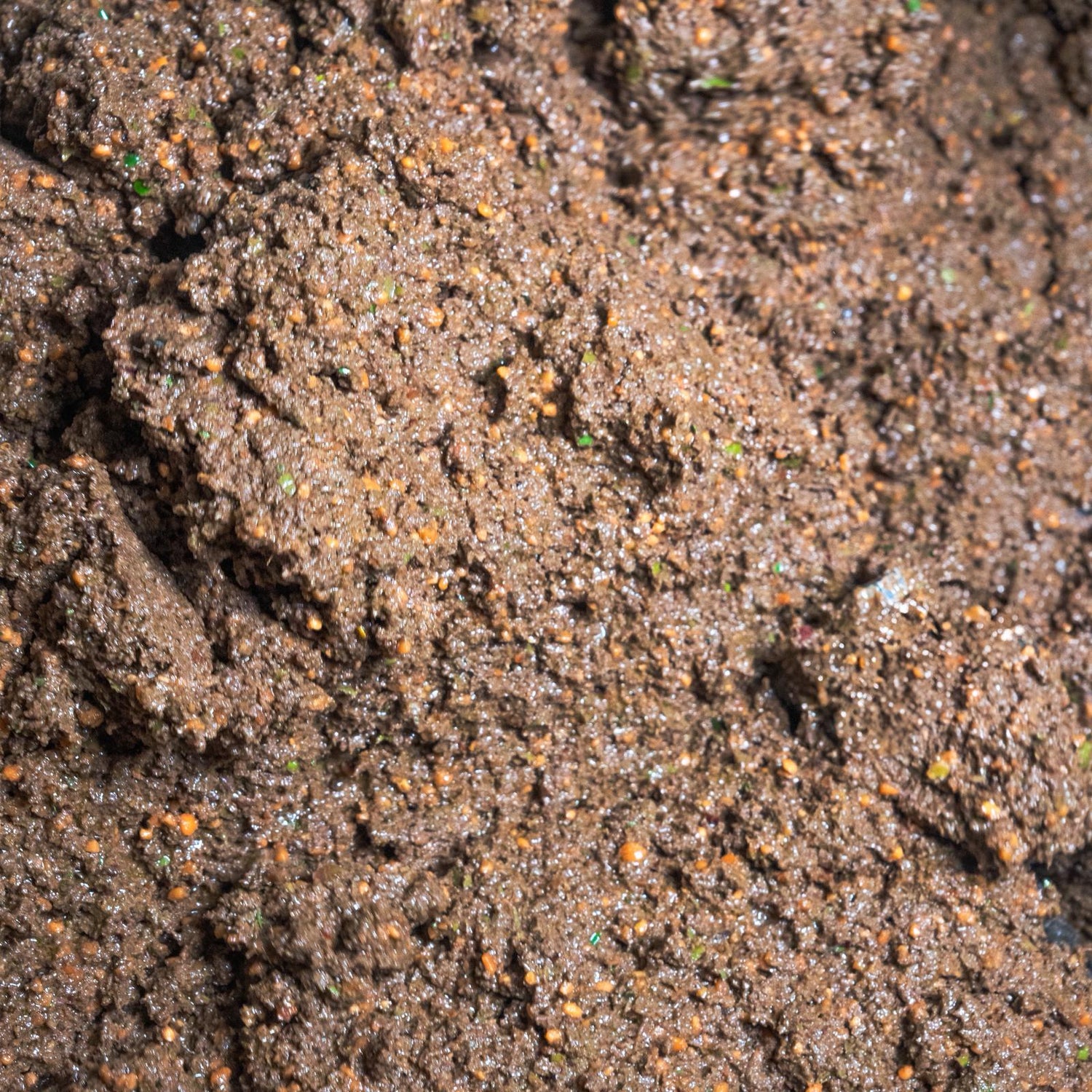
In the malaxer, the olive paste is stirred slowly and constantly. The goal is to help bind the micro-droplets of oil, which would otherwise be dispersed, making subsequent extraction possible. This is where temperature and time make the difference: too little and the oil remains trapped; too long or too hot and you risk losing its aromas and precious polyphenols.
Master olive millers know that each variety of olive responds differently: some need a few minutes, others more, and humidity or ripeness also influence the result. It's a subtle balance, made up of experience and sensitivity, that allows for an oil rich in aromas and health benefits.
Separator
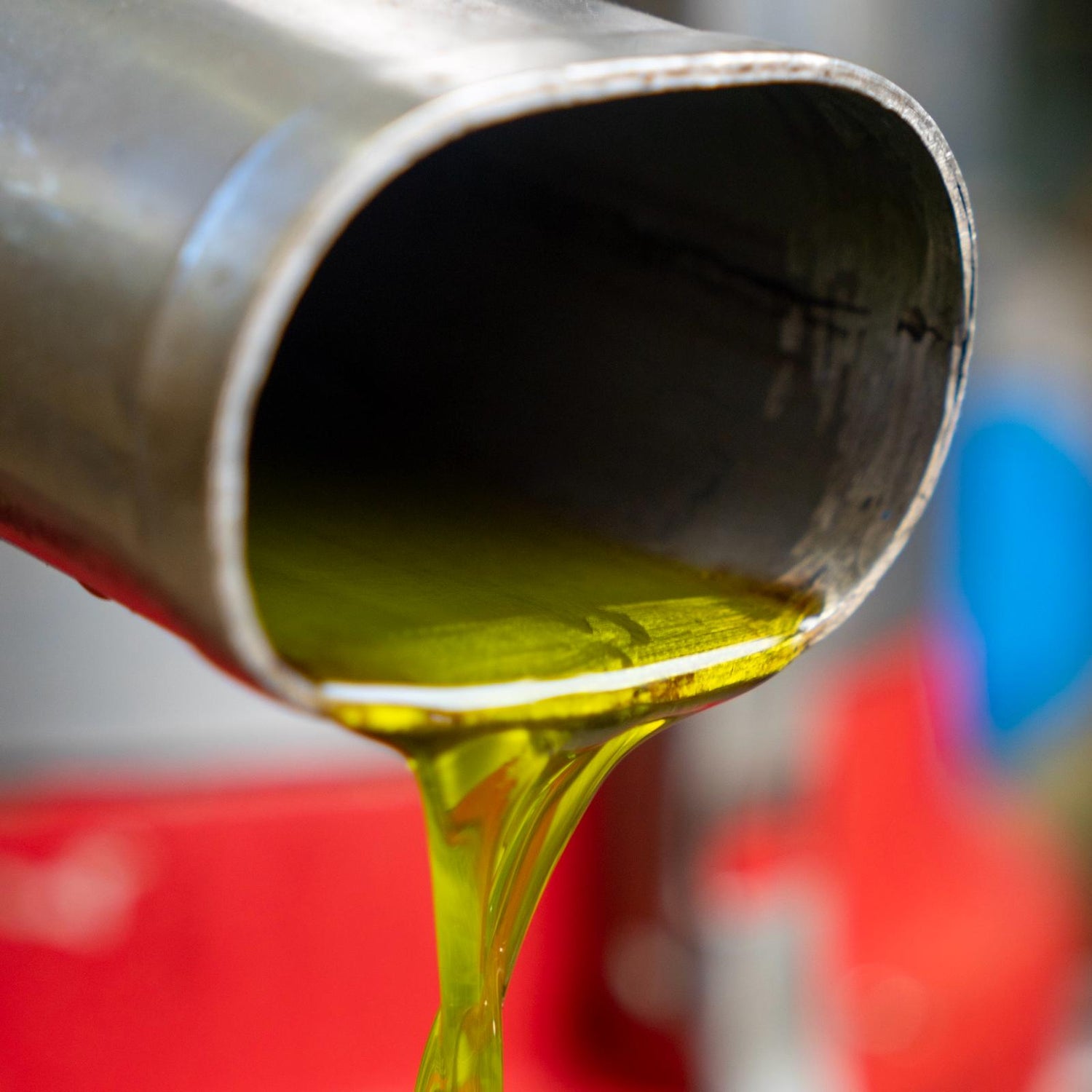
After malaxation, the olive paste passes into the centrifugal separator , where the oil is separated from the vegetable water and pomace. It's a fascinating process: from a dark, compact mass, the green and golden thread of new oil finally emerges.

Decantation
Natural decantation follows, a period of rest that allows the oil to clarify naturally. Here, the experience of the master millers counts more than machinery: they know that an oil left to settle for too long risks losing its freshness, while if bottled too early, it can become cloudy.
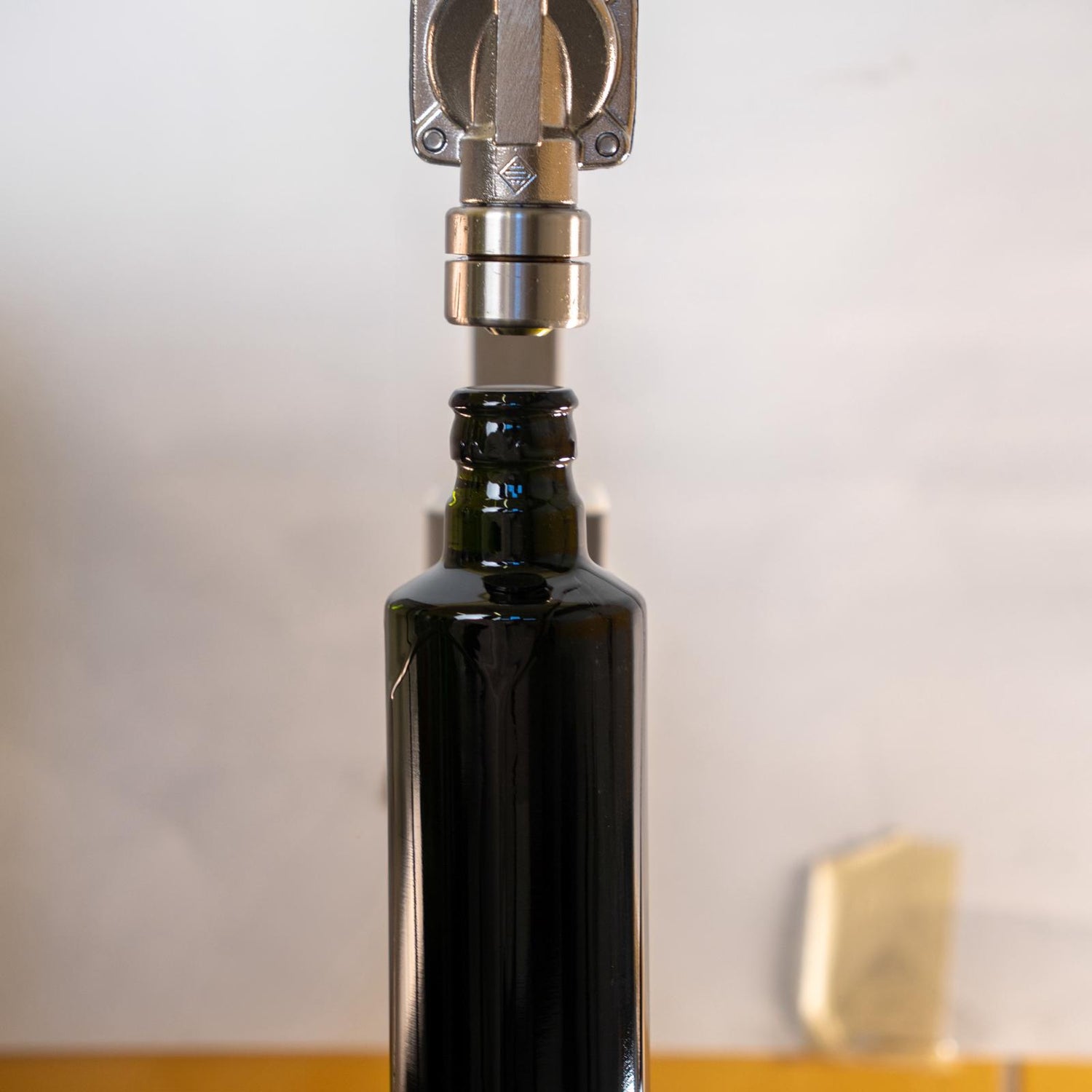
Bottling
After decanting, the oil is transferred to dark bottles that protect it from light and preserve its aromas. This is a moment of great care, as the freshness achieved in the mill must remain intact until it reaches the table.